
The Real Pros and Cons of Dental Sealants
Explore the Pros and Cons of Dental Sealants
Dental sealants give patients a simple way to strengthen back teeth and support healthier smiles. Many patients ask how these thin, protective coatings work and whether they make a meaningful difference in preventing cavities over time. Sealants help smooth the deep grooves on chewing surfaces, which makes it easier to keep those areas clean during daily brushing. Trenton Dental Care discusses the pros and cons of dental sealants for patients in Trenton, MI. Our team shares the real benefits, the practical implications, and situations where sealants offer strong value for children and adults. We focus on clear guidance and friendly, helpful service, helping every patient make the choice that feels right. Keep reaching to learn more.
How Dental Sealants Work
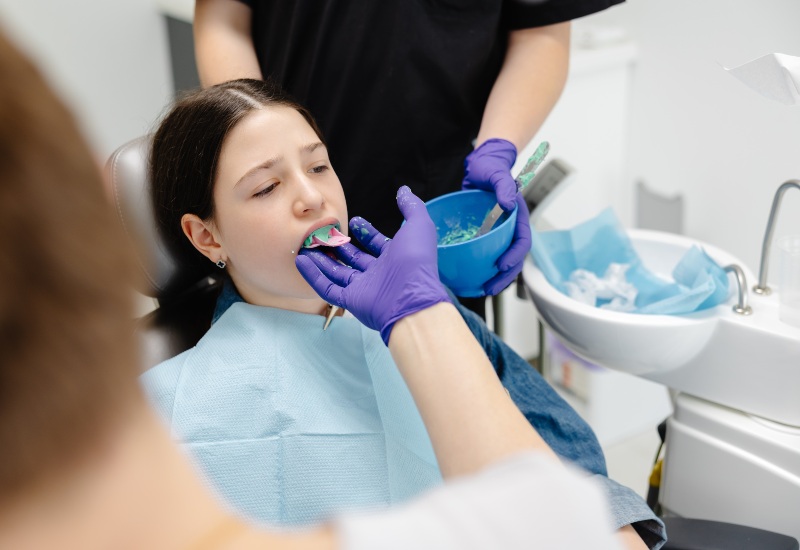
Dental sealants protect the back teeth by creating a thin, durable layer over the grooves where food and bacteria tend to collect. A dentist cleans each tooth, applies a gentle bonding material, and seals the tooth so the sealant settles into the natural pits on the chewing surface. Next, a curing light hardens the coating, forming a strong barrier. This process supports cavity prevention for patients who want extraction in areas that are harder to reach with daily brushing. The list below outlines the key dental sealant benefits patients consider when choosing sealants for added protection:
- Long-Term Cavity Prevention – Sealants reduce the risk of decay in permanent molars by blocking nearly eighty percent of potential cavities. This protection keeps the biting surfaces smooth and prevents bacteria from colonizing the deep grooves of the teeth.
- Simple and Painless Application – The process requires no drilling or removal of the natural tooth structure during the appointment. Patients remain comfortable throughout the short procedure because the dentist paints the liquid resin onto the clean enamel surface.
- Cost-Effective Oral Care – Investing in these protective coatings saves money over time by avoiding the high costs associated with fillings and root canals. This minor upfront expense acts as an insurance policy for the health and integrity of your natural smile.
- Durability and Easy Maintenance – The sturdy resin material stays bonded to the teeth for several years under normal conditions. Dentists can quickly touch up the coating during regular checkups to ensure the barrier remains completely effective against plaque.
The Pros of Dental Sealants
Choosing preventive treatments helps maintain your long-term oral health while avoiding cavities. Many patients find that the advantage of dental sealants provides a reliable barrier against bacteria in the deep pits of molars. This protective shield serves as a physical barrier, preventing food particles from settling into hard-to-reach areas. By applying this thin coating early, you ensure that your natural teeth remain strong and intact throughout your life. The following points detail why this procedure remains a top choice for dental care:
- Quick and Painless – The application process is fast and pain-free. Your dentist paints the liquid onto the tooth and dries it with a special light.
- Improved Brushing – Sealants create a smooth surface that makes brushing more effective. Toothbrush bristles glide over grooves, removing sticky plaque and debris with ease.
- Cost Savings – Sealants reduce the need for expensive treatments like fillings or crowns. Preventive care now helps you avoid costly dental work later.
- Natural Appearance – The clear or tooth-colored material stays invisible when you talk or laugh. People will notice your healthy glow rather than your dental work.
The Cons of Dental Sealants
Some patients want to learn about the practical limits of sealants so they can make fully informed decisions for their dental care. Sealants offer valuable protection, yet certain factors influence how long they last and how well they perform. These points help patients understand how maintenance, habits, and natural tooth structure affect results over time. Clear guidance supports confident decisions, so we explain key details about dental sealants’ disadvantages and how they may influence long-term planning. The list below shares helpful considerations for patients evaluating whether sealants match their goals:
- Sealants Can Trap Existing Decay – Sealants can trap existing decay if a dentist applies them over a hidden cavity. These trapped bacteria continue to grow and damage the tooth structure underneath the protective layer.
- Sealants Wear Down Over Time – The material can chip or wear away after several years, requiring regular dental visits to check for repairs or replacements.
- Application Requires a Dry Surface – A perfectly dry tooth structure is needed for proper bonding, which can be challenging for small children who struggle to stay still or keep their mouths open.
- Concerns About Materials – Some patients worry about the chemical makeup of the coating, even though these are approved materials. This leads some families to avoid them completely.
Who Should Consider Sealants
Many patients benefit from added protection on the chewing surfaces of their back teeth, especially during the years when brushing habits are still developing. Sealants help shield molars from buildup in deep grooves, which makes them a practical option for children, teens, and adults who want extra support. Patients often choose dental sealants for cavity prevention when they want a simple way to protect areas that collect food and bacteria more easily. Sealants also help individuals with a higher risk of decay, including those with dry mouth or orthodontic appliances. With steady protection and easy maintenance, sealants offer long-lasting value for a variety of smiles.
How to Maintain Your Dental Sealants
Keeping sealants in good condition helps them protect your teeth’s chewing surfaces for many years. Daily brushing and flossing keep the mouth clean so the coating can continue to block food and bacteria from settling into deep grooves. Patients benefit from regular dental visits, during which the dentist checks each sealant for wear and confirms that the coating remains secure. Strong habits support the long-term success of sealants and help maintain the tooth’s health. With steady care and routine evaluations, patients enjoy dependable protection that strengthens their oral hygiene.
Keep Your Smile Protected With Sealants
Healthy habits and clear information help patients choose the best preventive care for their teeth. Learning about the pros and cons of dental sealants gives patients the confidence to select a treatment that fits their needs and supports long-term oral health. Our team offers guidance for every age, making preventive care simple and reassuring. Patients who want dependable protection for their back teeth benefit from a personalized approach tailored to comfort, clarity, and trust. Contact Trenton Dental Care office today to schedule an appointment and give yourself lasting support for a brighter, healthier smile.
Dental Sealant FAQs
How Long Do Dental Sealants Last?
Sealants can last several years with proper care and routine dental checkups. Your dentist checks them during cleanings to make sure they remain strong and secure.
Are Dental Sealants Safe?
Sealants are considered safe and have been used for many years to protect teeth. The materials are designed for dental use and are well‑tested for effectiveness.
How Do I Care for Dental Sealants?
Daily brushing and flossing help keep the teeth around the sealants healthy. Regular checkups allow the dentist to look for wear and make touch-ups when needed.
Will Dental Sealants Change How My Bite Feels?
Sealants are thin and settle naturally onto the tooth’s surface. Most patients do not notice any change in their bite after treatment.
Do Sealants Replace Brushing or Fluoride Treatments?
Sealants work best when used along with strong home care and fluoride. They add protection but do not replace brushing, flossing, or routine dental cleanings.