
How Gum Disease Leads to Loose Teeth and What You Can Do About It
Gum disease can damage the gums and bones that hold your teeth in place. As that support becomes weaker, teeth may shift, feel loose, or even fall out. If you’re concerned about gum disease and loose teeth, rely on Trenton Dental Care for guidance. We can check your gums, explain your options, and create a treatment plan that fits your needs.
What Is Gum Disease?
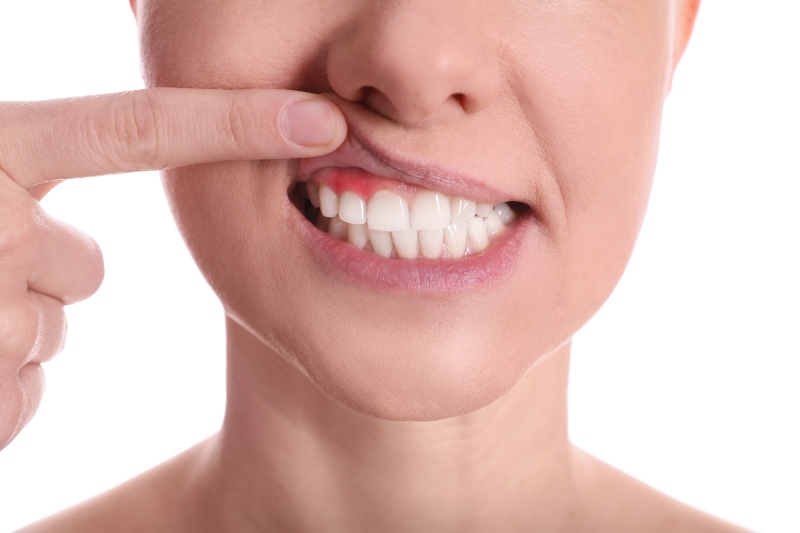
Gum disease is an infection and swelling of the tissues around your teeth. It often begins when plaque builds up along the gumline, leading to gingivitis. Your gums may look red or swollen and bleed when you brush or floss. Gingivitis can usually be reversed with professional cleaning and good home care.
Without treatment, however, gingivitis may progress to periodontitis, an advanced condition that damages the bone and other tissues that support your teeth. There’s currently no way to reverse periodontitis, but our dental professionals can provide care to slow its progression and help manage it.
How Healthy Gums Support Your Teeth
Healthy gums protect the roots of your teeth and block harmful bacteria from reaching deeper tissue. But their close fit around your teeth isn’t enough on its own to support all of your oral functions. Strong tooth support requires:
- Healthy Gum Tissue – Healthy gums form a close seal around each tooth to keep bacteria at bay.
- Strong Jawbone – Your jawbone holds the tooth roots firmly in place.
- Healthy Periodontal Ligaments – These connect the teeth to the bone and absorb pressure from chewing.
- Daily Cleaning – Good oral hygiene removes plaque before it can irritate the gums.
Why Gum Disease Causes Loose Teeth
Many of our patients have asked, “Can gum disease cause loose teeth?” The answer is yes, especially when the condition reaches an advanced stage. Plaque that isn’t removed can harden into tartar, which you cannot eliminate with regular brushing or flossing. It must be removed during a professional dental cleaning. Without routine dental care, plaque and tartar may allow bacteria to spread below the gumline, where they can cause ongoing infection and inflammation.
Over time, pockets may begin to form between the gums and teeth, where additional bacteria can collect. As this happens, the link between periodontal disease, loose teeth, and tooth loss becomes clear. The infection worsens, breaking down gum tissue, ligaments, and bone. Loose teeth from gum disease may also shift, creating new spaces between teeth.
Signs Your Gum Disease Is Progressing
Gum disease may not cause much pain at first. In some cases, it can become serious before a person even notices a problem. But common periodontal disease symptoms include:
- Bleeding Gums – Your gums bleed when you brush, floss, or eat firm foods.
- Red or Swollen Gums – The tissue may look puffy or feel sore.
- Gum Recession – Your gums pull away, making your teeth look longer.
- Ongoing Bad Breath – The odor doesn’t go away after brushing.
- Pain While Chewing – Biting down becomes sore or uncomfortable.
- Pus Near the Gumline – Fluid appears between a tooth and the surrounding gum.
- New Spaces Between Teeth – Teeth shift as their support weakens.
- A Change in Your Bite – Your upper and lower teeth no longer meet in the same way.
- Loose or Sensitive Teeth – A tooth moves, feels unstable, or reacts to hot and cold foods.
Can Loose Teeth Be Saved?
Some loose adult teeth can be saved, but the answer depends on how much gum and bone support remains. A mildly loose tooth may become more stable once the infection is controlled, but a tooth with significant bone loss may have a poorer outlook.
During an exam, our dental team may measure the spaces around your teeth and check how much each tooth moves. Dental X-rays can also detect bone loss that isn’t visible during a regular exam. Early care offers the best chance of protecting your natural teeth.
Treatment Options for Gum Disease and Loose Teeth
If you want to know how to treat gum disease, start with a dental evaluation. Your recommended care will depend on the stage of the disease and the condition of your teeth, potentially including:
- Professional Cleaning – This removes plaque and tartar from areas that brushing cannot reach.
- Scaling and Root Planning – Deep cleaning removes buildup below the gumline and smooths the tooth roots.
- Medication – An antimicrobial rinse or other medicine may help control bacteria in certain cases.
- Periodontal Maintenance – More frequent cleanings help control gum disease after the first treatment.
- Tooth Stabilization – Our dentist may connect a loose tooth to nearby teeth in select instances.
- Specialty Care – Advanced gum or bone damage may require treatment from a periodontist.
- Tooth Removal – A tooth that cannot be saved may need to be extracted to protect nearby tissue.
How to Prevent Gum Disease
The following daily habits can lower your risk of gum disease and help protect previous treatments:
- Brush Twice a Day – Use fluoride toothpaste and brush for two minutes.
- Clean Between Your Teeth Daily – Use floss, interdental brushes, or another tool recommended by your dentist.
- Abstain From Smoking – Smoking is linked to a higher risk of serious gum disease.
- Manage Health Conditions – Diabetes and other health issues may affect your gum health.
- Attend Regular Dental Visits – Exams can detect changes before you notice loose teeth.
- Follow Your Care Plan – Keep all recommended periodontal maintenance appointments.
When to Schedule a Dental Appointment
If a permanent tooth ever feels loose, you should call Trenton Dental Care immediately. We also recommend making an appointment to examine gums that frequently bleed, persistent bad breath, gum recession, pus near a tooth, or pain while chewing. We can identify the cause of your issues and help prevent further damage.
Contact Us for Gum Care in Trenton, MI
Regular dental exams and early diagnosis of any oral health issues can help protect your gums, bone, and natural teeth. Contact us for gum health care in Trenton, MI, today.